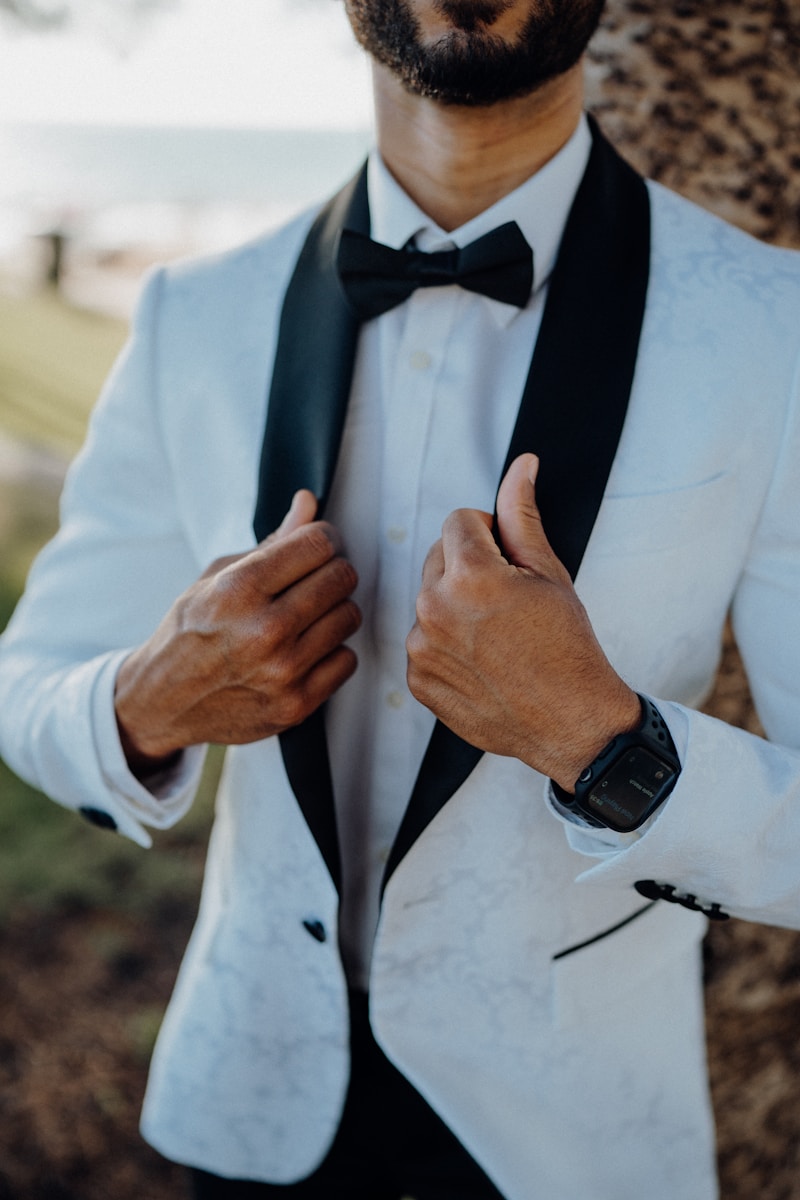
Decoding “Black Tie Optional”: Your Complete Guide to Navigating Fashion’s Most Confusing Dress Code
Last Updated: January 2026
You’ve opened the elegant wedding invitation, admired the calligraphy, and then spotted those three words that send most guests into a mild panic: “Black Tie Optional.”
Your mind races with questions. Do I need to rent a tuxedo? Can I wear that navy suit from work? Is a cocktail dress too casual? What does “optional” even mean?
You’re not alone in this confusion. According to fashion industry experts, “black tie optional” ranks as the single most misunderstood dress code in modern formal events. Even etiquette authorities acknowledge the term creates more questions than answers.
This comprehensive guide will decode every nuance of black tie optional attire, explain what hosts actually expect when they choose this dress code, and provide specific outfit recommendations so you can show up with complete confidence.
What “Black Tie Optional” Actually Means
Let’s start by clearing up the biggest misconception: “optional” does NOT mean you can dial down the formality significantly.
As Jason Jackson, President and CEO of Generation Tux, explains: “The biggest difference between black-tie attire and black-tie-optional attire is simply choice. Traditional black-tie attire means dressing up is non-negotiable—tuxedo, bow tie, patent leather shoes, the works. Black-tie-optional attire opens the door to dark suits as an acceptable alternative.”
Here’s what the dress code actually communicates:
What hosts are saying:
- The wedding party will be in full black tie (tuxedos and floor-length gowns)
- We want an elegant, formal atmosphere
- We understand not everyone owns or wants to rent a tuxedo
- You have permission to wear a formal dark suit instead of a tux
- Either way, please dress very formally
What hosts are NOT saying:
- Feel free to wear business casual
- Cocktail attire is fine
- Dress however you’re comfortable
- The formality level is negotiable
The Historical Context
The term “black tie optional” emerged in the United States as a compromise between traditional strict formality and modern practical realities. Originally called “black tie invited” or “black tie preferred,” this dress code acknowledges that:
- Not everyone owns formal wear
- Renting can be expensive and inconvenient
- Some guests feel uncomfortable in ultra-formal attire
- Hosts still want their event to feel special and elegant
The dress code gained popularity in the 1990s and has become increasingly common for weddings, charity galas, and milestone celebrations in 2026.
Black Tie Optional for Men: A Complete Breakdown
Men attending black tie optional events have two equally appropriate choices: wear a tuxedo or wear a very formal dark suit. Let’s explore both options thoroughly.
Option 1: The Tuxedo (The Safest Bet)
If you own a tuxedo or don’t mind renting one, this is your best choice. Here’s why: when the invitation says “black tie optional,” the couple and their wedding party will be wearing black tie. You’ll never feel out of place in a tuxedo.
Classic black tuxedo components:
The Jacket:
- Black or midnight navy tuxedo jacket
- Satin or grosgrain lapels (shawl, peak, or notch)
- Single-button closure (more formal than two-button)
- Well-fitted through shoulders and torso
The Shirt:
- Crisp white dress shirt (pleated or plain front)
- Fold-down collar or wing collar
- French cuffs requiring cufflinks
- Never a standard button-cuff business shirt
The Neckwear:
- Black bow tie (self-tie or pre-tied)
- Silk or satin fabric
- Never a long necktie with a tuxedo
The Bottoms:
- Matching tuxedo trousers with satin stripe down the leg
- No belt loops (wear suspenders or perfectly fitted)
- Break should just touch the top of shoes
The Accessories:
- Black patent leather oxfords (gold standard)
- Highly polished black calfskin oxfords (acceptable alternative)
- Black cummerbund or waistcoat (covers shirt-to-trouser transition)
- Simple cufflinks
- White linen pocket square (optional but recommended)
- Dress watch with leather strap (optional)
What to avoid with a tuxedo:
- ❌ Regular necktie instead of bow tie
- ❌ Business dress shoes or loafers
- ❌ Exposed shirt waistband (no cummerbund or vest)
- ❌ Overly ornate accessories
- ❌ Novelty bow ties or pocket squares
Option 2: The Dark Formal Suit (Acceptable Alternative)
If you’re not wearing a tuxedo, your suit must be exceptionally formal to match the event’s elegance. This isn’t the time for your standard work suit.
The Suit:
- Colors: Black, charcoal gray, or midnight navy ONLY
- Dark suits approximate the formality of black tuxedos
- Avoid: Brown, tan, light gray, or any bright colors
- Patterns: Solid preferred; very subtle pinstripes acceptable
- Avoid: Bold patterns, checks, or anything remotely casual
- Fabric: Fine wool, wool blend, or high-quality synthetic
- Look for subtle sheen that reads formal
- Avoid: Cotton, linen, seersucker, or obviously casual fabrics
- Fit: Impeccably tailored
- Jacket should fit perfectly through shoulders and torso
- Pants should have clean break, no bunching
The Shirt:
- White dress shirt is standard and safest
- Very pale blue acceptable at daytime events
- Ensure crisp, pressed appearance
- French cuffs with cufflinks elevate the look
The Tie:
- Conservative solid tie in black, charcoal, or deep burgundy
- Silk or silk-blend fabric with subtle sheen
- Avoid: Novelty ties, bold patterns, bright colors
- Alternative: Subtle patterned tie if very elegant
The Shoes:
- Black leather oxfords, highly polished
- Cap-toe or whole-cut designs
- Avoid: Brown shoes, loafers, derbies, brogues, anything casual
Critical accessories:
- Leather dress belt matching shoes
- Simple cufflinks
- White or complementary pocket square
- Dress socks (black or dark, matching trousers)
Common Male Fashion Mistakes to Avoid
Mistake #1: Wearing a regular business suit Your daily work suit—even if it’s dark—likely won’t be formal enough. Business suits are constructed differently from formal suits, with different lapels, buttons, and overall aesthetic. The difference is subtle but noticeable.
Mistake #2: Interpreting “optional” as permission to skip formality Some men show up in khakis and sport coats because they focused on “optional” instead of “black tie.” This creates awkward moments when they’re dramatically underdressed compared to other guests.
Mistake #3: Wrong shoes Chunky derbies, casual loafers, or worse—anything brown—immediately signals unfamiliarity with formal dress codes. Black leather oxfords are non-negotiable.
Mistake #4: Neglecting fit Even the finest tuxedo looks terrible if it fits poorly. Visit a tailor. A $300 well-fitted suit will look better than a $1,000 poorly fitted tuxedo.
Mistake #5: Over-accessorizing Leave the flashy watches, multiple rings, and bold cufflinks at home. Black tie optional calls for understated elegance, not maximalist accessorizing.
Black Tie Optional for Women: Elegant Flexibility
Women attending black tie optional events have more flexibility than men, but that doesn’t mean anything goes. The key is maintaining sophisticated elegance appropriate for a formal evening.
Option 1: Floor-Length Gowns (The Classic Choice)
A floor-length gown is always appropriate and ensures you’ll match the event’s formality. This is the safest option if you’re uncertain.
Gown selection guidelines:
Length:
- Floor-length (touching the floor or with slight train)
- Ankle-length acceptable (hits at ankle bone)
- Anything above the ankle becomes questionable
Colors:
- Safe choices: Black, navy, deep jewel tones (emerald, sapphire, ruby)
- Seasonal appropriates: Rich burgundy and wine for fall/winter, softer pastels for spring/summer
- Trending for 2026: Electric cobalt, butter yellow, sage green
- Avoid: White, ivory, cream (wedding guest etiquette)
- Avoid: Neon colors, overly bright or loud hues
Fabrics:
- Formal fabrics: Silk, satin, velvet, chiffon, organza, taffeta
- Embellishments: Lace, sequins, beading, metallic threads
- These materials inherently read as formal and appropriate
- Avoid: Cotton, linen, jersey, casual knits
Silhouettes: Popular styles for 2026 black tie optional events:
- A-line gowns (universally flattering)
- Fitted bodice with flowing skirt
- Halter neck designs
- One-shoulder asymmetrical styles
- Strapless or sweetheart necklines
- Backless designs with elegant draping
- High necklines with sophisticated lines
Option 2: Formal Cocktail Dresses (Acceptable with Caveats)
Cocktail dresses can work for black tie optional, but they must be exceptionally formal and elegant—not your standard cocktail party dress.
Cocktail dress specifications:
Length:
- Tea-length (below knee, mid-calf)
- Midi-length (hitting just below the knee)
- Never: Above the knee (reads too casual)
Formality indicators: Your cocktail dress must have formal markers:
- Luxe fabrics (silk, satin, velvet, embellished lace)
- Sophisticated silhouette (nothing bodycon or club-appropriate)
- Elegant details (3D florals, intricate beading, sequins)
- Refined color palette (deep tones, jewel colors, metallics)
When cocktail dresses work best:
- Daytime black tie optional events (morning/afternoon weddings)
- Garden or outdoor venue weddings
- Spring/summer celebrations
- When paired with very formal accessories
Option 3: Elegant Jumpsuits (Modern Alternative)
Fashion in 2026 has fully embraced jumpsuits as acceptable formal wear for black tie optional events—if they’re styled correctly.
Jumpsuit guidelines:
What makes a jumpsuit appropriate:
- Wide-leg or palazzo pant style (creates gown-like silhouette)
- Formal fabric (silk, satin, velvet, crepe)
- Sophisticated neckline (halter, one-shoulder, strapless)
- Elegant details (draping, embellishments, unique cuts)
- Floor-length or ankle-length legs
Colors and patterns:
- Same color rules as gowns apply
- Solid colors generally safer than patterns
- Subtle metallic finishes work beautifully
Styling for formality: Elevate your jumpsuit with:
- Statement jewelry (chandelier earrings, bold necklace)
- Formal heels (strappy sandals, pointed pumps)
- Structured evening clutch
- Sleek updo or sophisticated hairstyle
Women’s Accessories: The Finishing Touches
Accessories can elevate or undermine your black tie optional outfit. Here’s how to get them right:
Jewelry:
- Statement pieces appropriate (bold earrings, elegant necklace)
- Don’t go overboard—choose one or two focal pieces
- Diamonds, pearls, or quality costume jewelry all work
- Avoid: Overly chunky or costume-y pieces that read cheap
Shoes:
- Formal heels (strappy sandals, pointed pumps, elegant slingbacks)
- Metallic shoes (gold, silver) work with most color palettes
- Comfortable but elegant (you’ll be standing/dancing)
- Avoid: Flats, casual sandals, boots, anything with a sporty vibe
Bag:
- Evening clutch, minaudière, or small structured bag
- Embellished, beaded, or metallic finishes appropriate
- Should complement but not match outfit exactly
- Avoid: Large purses, casual crossbody bags, anything bulky
Hair and Makeup:
- Polished and intentional (not everyday casual)
- Updos, sleek styles, or glamorous waves
- Evening-appropriate makeup (slightly more dramatic than daytime)
Common Female Fashion Mistakes to Avoid
Mistake #1: Wearing anything too short A dress that hits above the knee is too casual for black tie optional, no matter how fancy the fabric. The length alone signals informality.
Mistake #2: Overly sexy or revealing styles Black tie optional is sophisticated, not sultry. Strategic cutouts and elegant backless designs work; plunging necklines to the navel or ultra-short hemlines don’t.
Mistake #3: Treating it like standard cocktail attire Your go-to cocktail party dress likely isn’t formal enough. Black tie optional sits between cocktail and full black tie—it requires elevated choices.
Mistake #4: Wrong shoes Casual flats, daytime sandals, or boots immediately undermine even the most formal gown. Your shoes must read as evening-appropriate.
Mistake #5: Wearing white or ivory Unless explicitly told otherwise, avoid white and ivory at weddings. This is wedding guest etiquette 101.
Seasonal Considerations for Black Tie Optional
The time of year impacts fabric choices, colors, and styling—while maintaining formality.
Spring Black Tie Optional (March-May)
Color palette:
- Soft pastels (blush, lavender, mint)
- Floral prints (if sophisticated and not too busy)
- Light jewel tones (soft emerald, aquamarine)
Fabric choices:
- Lighter silks and satins
- Chiffon and organza
- Lace (especially for daytime events)
Styling notes:
- Slightly lighter accessories acceptable
- Garden-appropriate prints for outdoor venues
- Still maintain formal silhouette and length
Summer Black Tie Optional (June-August)
Color palette:
- Bright jewel tones (emerald, sapphire, ruby)
- Butter yellow, coral, turquoise
- Metallics (gold, rose gold)
- Classic black still works (always appropriate)
Fabric considerations:
- Breathable but formal fabrics
- Silk, satin (cooler than velvet)
- Avoid obviously heavy materials
For men:
- Midnight navy or charcoal suits slightly cooler than black
- Ivory dinner jacket acceptable in tropical climates (with black lapels and trousers)
Fall Black Tie Optional (September-November)
Color palette:
- Rich jewel tones (burgundy, deep purple, forest green)
- Warm metallics (bronze, copper, gold)
- Classic black, navy, charcoal
Fabric choices:
- Velvet (perfect season for this luxe fabric)
- Heavier satins
- Brocade and jacquard
Styling:
- Warmer metals in jewelry
- Deeper lip colors and makeup
- Rich, saturated color choices
Winter Black Tie Optional (December-February)
Color palette:
- Deep, saturated tones (wine, navy, emerald, black)
- Metallics (silver, gold, platinum)
- Rich burgundy and plum
Fabric choices:
- Velvet (quintessential winter formal fabric)
- Heavy satin and silk
- Embellished fabrics (sequins, beading)
Styling considerations:
- Elegant wraps or shawls (formal fabric, not casual)
- Heavier jewelry pieces
- Darker, more dramatic makeup
For men:
- Velvet dinner jackets (midnight blue, burgundy) work for winter events
- Must still pair with traditional tuxedo trousers and bow tie
Venue-Specific Considerations
Where the event takes place should influence your styling choices while maintaining appropriate formality.
Ballroom or Hotel Venue
Formality level: Highest Recommendations:
- Lean toward tuxedos for men
- Floor-length gowns for women
- Classic, traditional styling
- Most formal fabric and accessory choices
Garden or Outdoor Venue
Formality level: Still high, with practical considerations Recommendations:
- Consider heel height (grass and heels don’t mix well)
- Wedge heels or block heels more practical
- Slightly lighter fabrics acceptable
- Floral prints work beautifully
- Still maintain formal length and silhouette
Historic Mansion or Estate
Formality level: Very high, often traditional Recommendations:
- Classic, timeless choices work best
- Vintage-inspired gowns appropriate
- Traditional tuxedos preferred
- Elegant, understated styling
Beach or Waterfront Venue
Formality level: High, with tropical considerations Recommendations:
- Flowing fabrics that move gracefully
- Lighter color palettes acceptable
- For men: Ivory dinner jacket acceptable in tropical settings
- Metallic accessories work beautifully
- Consider practical elements (wind, sand) without sacrificing formality
The Critical Decision: To Rent or To Buy?
For men who don’t own a tuxedo, the rental-versus-purchase decision depends on several factors.
When to Rent a Tuxedo
Best if:
- You attend formal events rarely (once a year or less)
- You’re still growing/changing size
- You want variety in styling
- Budget is limited ($100-200 rental vs $500-2000 purchase)
Modern rental options:
- Online rental services (The Black Tux, Generation Tux)
- Better fit than old-school rental shops
- Modern, slim-fit styles available
- Delivered to your door, return by mail
When to Buy a Tuxedo
Best if:
- You attend multiple formal events yearly
- Your size is stable
- You value perfect fit (can tailor to your exact measurements)
- Long-term investment makes sense
Cost analysis:
- Quality tuxedo: $500-2,000
- Breaks even after 5-10 rentals
- Always available, no scheduling stress
- Can be tailored for perfect fit
Timing Considerations: Daytime vs. Evening Events
The event start time impacts appropriate styling choices.
Daytime Black Tie Optional (Before 6 PM)
Slightly more flexibility:
- Lighter suit colors acceptable for men (charcoal gray)
- Lighter dress colors for women (pastels, soft hues)
- Can experiment with prints (sophisticated florals)
- Accessories can be slightly less formal
- Tea-length dresses more acceptable
Still maintain:
- Formal fabrics and construction
- Appropriate hemlines
- Sophisticated styling
- Overall elegant appearance
Evening Black Tie Optional (After 6 PM)
Expectations increase:
- Lean toward most formal options
- Darker color palettes preferred
- Tuxedos for men highly recommended
- Floor-length for women safest choice
- Traditional styling more appropriate
- Deeper, richer colors
- More dramatic accessories and makeup
Budget-Friendly Black Tie Optional Options
Formal attire doesn’t have to destroy your budget. Here’s how to look amazing without overspending.
For Women on a Budget
Shopping strategies:
- Rent the Runway ($30-100 per rental): Designer gowns at fraction of purchase price
- Department store sales: Nordstrom Rack, Saks Off Fifth (find gowns for $100-300)
- Affordable brands: Lulus ($50-150), ASOS ($70-200), Dress the Population ($150-300)
- Bridesmaid dresses: BHLDN, Azazie, Birdy Grey (formal enough, very affordable)
- Secondhand: Poshmark, ThredUp, consignment shops (barely-worn formals)
Budget breakdown example:
- Rental gown: $75
- Shoes (keep for multiple events): $60
- Clutch (reusable): $30
- Jewelry (borrow or use existing): $0
- Total: $165
For Men on a Budget
Shopping strategies:
- Online tux rental: The Black Tux, Generation Tux ($95-150)
- Suit purchase: Suit Supply, Spier & Mackay, J.Crew ($300-500 keeps for years)
- Department stores: Macy’s, Men’s Wearhouse sales
- Accessory basics: Amazon Essentials, Nordstrom Rack
Budget breakdown example:
- Tuxedo rental: $125
- Dress shoes (keep for multiple events): $100
- Total: $225
Creating a Black Tie Optional Wardrobe Capsule
If you attend multiple formal events yearly, building a versatile formal wardrobe makes practical sense.
Women’s Formal Capsule
Core pieces:
- One classic black floor-length gown (timeless, works for any season)
- One jewel-tone gown (emerald, sapphire, or ruby)
- Formal jumpsuit (versatile, comfortable, modern)
- Black strappy heels
- Metallic heels (gold or silver)
- Evening clutch (black or metallic)
- Statement earrings (classic studs or chandelier style)
Why this works:
- Covers all seasonal events
- Mixes and matches for variety
- Classic pieces don’t date quickly
- Investment spread across multiple events
Men’s Formal Capsule
Core pieces:
- Black tuxedo (jacket, trousers)
- White tuxedo shirt
- Black bow tie
- Black patent leather oxfords
- Black cummerbund
- Charcoal or navy formal suit (black tie optional backup)
- White dress shirt
- Conservative tie collection
Why this works:
- Covers both tuxedo and suit options
- Mix and match components
- One-time investment serves for years
- Always ready for formal events
The Etiquette of Black Tie Optional
Beyond what you wear, understanding formal event etiquette ensures you’re a gracious guest.
RSVP Promptly
Respond by the deadline on the invitation. Formal events require precise headcounts for catering, seating, and planning.
Arrive on Time
Formal events typically have structured timelines. Arrive during the specified window (not excessively early or late).
Dress to Honor the Hosts
Remember: the couple chose black tie optional to create an elegant celebration. Dressing formally shows respect for their vision and effort.
Conduct Yourself Appropriately
- Moderate your food and drink consumption
- Engage in appropriate conversation
- Stay off your phone during key moments
- Dance if there’s dancing
- Thank the hosts before leaving
Avoid Upstaging
Even within appropriate dress code parameters:
- Don’t wear anything so attention-grabbing it distracts from the honorees
- Save the white dress for another occasion
- Avoid overly dramatic or costume-like styling
Final Checklist Before You Go
Use this checklist to ensure you’ve covered all the black tie optional bases:
For Women:
- ✓ Dress is floor-length, ankle-length, or tea-length (nothing above knee)
- ✓ Fabric is formal (silk, satin, velvet, chiffon)
- ✓ Color is appropriate (no white/ivory at weddings)
- ✓ Shoes are formal heels
- ✓ Clutch or small evening bag selected
- ✓ Jewelry complements outfit
- ✓ Hair and makeup are polished and intentional
- ✓ Outfit has been tried on completely (with shoes, shapewear if needed)
For Men:
- ✓ Wearing tuxedo OR very dark formal suit
- ✓ White dress shirt, pressed and crisp
- ✓ Bow tie (with tuxedo) or conservative tie (with suit)
- ✓ Black leather dress shoes, polished
- ✓ Belt or suspenders (no visible waistband)
- ✓ Cufflinks if wearing French cuffs
- ✓ Pocket square (optional but recommended)
- ✓ Everything fits properly (consider final tailoring check)
Bottom Line: When in Doubt, Dress Up
The single most important piece of advice for black tie optional: It’s always better to be slightly overdressed than underdressed.
If you’re torn between the tuxedo and the suit, choose the tuxedo. If you’re debating between the floor-length gown and the cocktail dress, go with the floor-length gown. You’ll never regret being among the most elegantly dressed guests. You absolutely will regret being the only person who showed up in business casual.
“Black tie optional” reflects hosts who want their event to feel special while being considerate of guests’ circumstances. Honor that intention by dressing as formally as you comfortably can within the guidelines.
The “optional” part isn’t permission to skip formality—it’s simply permission to choose between two equally formal paths. Either way, you’re dressing to celebrate an important occasion with the elegance and respect it deserves.
Frequently Asked Questions
Q: Can I wear a suit to a black tie optional wedding?
Yes, but it must be a very dark, formal suit (black, charcoal, or midnight navy) with formal accessories. It’s not your standard work suit. If you can afford to rent or own a tuxedo, that’s the safer choice.
Q: How short can my dress be for black tie optional?
Tea-length (mid-calf) or midi-length (just below knee) are the minimums. Anything above the knee is too casual for black tie optional. Floor-length or ankle-length are safest.
Q: Is a black dress too boring for black tie optional?
Absolutely not. Black is classic, timeless, and always appropriate for formal events. Focus on interesting silhouettes, luxe fabrics, or statement accessories to make your black dress feel special.
Q: Can men wear a long tie instead of a bow tie with a tuxedo?
No. Bow ties are non-negotiable with tuxedos. If you’re wearing a long tie, you should be wearing a formal suit, not a tuxedo.
Q: What if I’m the only person in a tuxedo?
You’ll never look foolish for being well-dressed. A tuxedo is always appropriate for black tie optional events. Other guests’ choices to dress down don’t reflect on you.
Q: Can I wear a pantsuit to a black tie optional event?
Yes, if it’s exceptionally formal and elegant. Think formal fabric (silk, satin, velvet), sophisticated cut, and paired with formal accessories. Standard business pantsuits are too casual.
Q: Are cocktail dresses acceptable?
Only if they’re very formal, tea-length or midi-length, in luxe fabrics, and styled with elegant accessories. Not your standard cocktail party dress.
About This Guide: This comprehensive breakdown combines expert fashion advice, etiquette standards, and 2026 style trends to help you navigate black tie optional events with complete confidence.
Sources: Generation Tux formal wear experts, The Knot wedding dress code surveys, Nordstrom fashion directors, Emily Post Institute etiquette guidelines, 2026 wedding industry trend reports.